Custom Silk Scarves: Sending a Design Brief
A design brief carries the direction, the elements that matter, and the item list, together in one message. This article sets out how to write a brief that keeps the requirements beside the items they belong to.
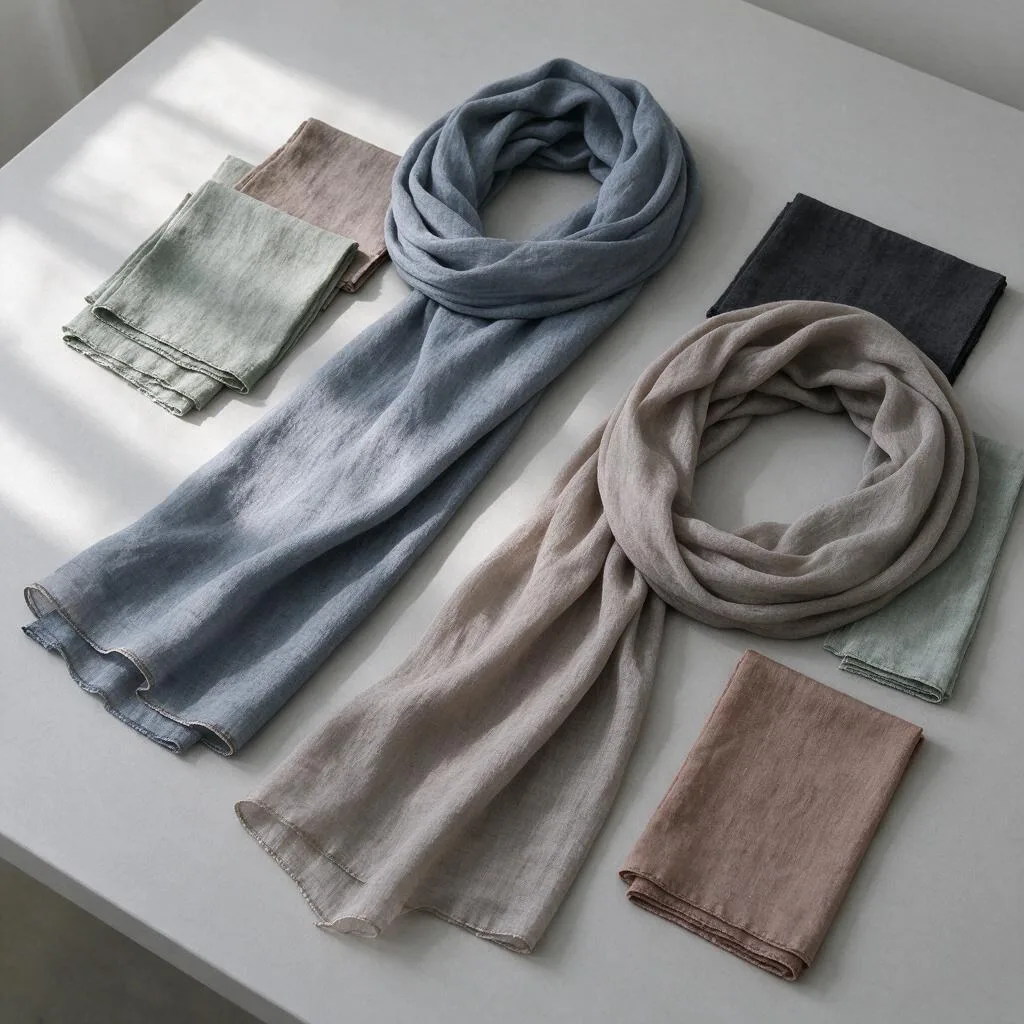
What a brief is for
A design brief exists to carry the buyer's direction into the inquiry in a form that stays attached to the items. The brief names the direction, the elements that matter, and anything to settle in writing, and it sits beside the item list in the same message. A brief sent apart from the list leaves the requirements detached, and the questions can lose the items they belong to.
Buyers sometimes treat the brief and the item list as two separate documents. Write them as one message instead: the brief first, the item list beside it, the quantities beside each item, and the destination market for the list as a whole. One message, with the brief and the list together, is the shape the inquiry needs.
Writing the direction in plain words
Write the direction as a plain description of what the buyer has in mind: the overall direction, the elements that matter most, and the elements that matter least. Plain words carry the direction better than shorthand, because shorthand leaves the reading open. Name the elements in order of importance, so the reading of the brief follows the buyer's own priorities.
Name the colour, shape and size requirements in the same message, beside the items they belong to, and ask what applies to each item. This site publishes no claim about any design method, and the inquiry should not assume one. The requirements belong in the brief as questions and notes, not as assumed facts about any item.
Reference material, described in words
Reference material belongs in the same message as the brief, described in words. Name each reference item, note what it illustrates, and keep it beside the item it belongs to. A reference item with no note about what it illustrates leaves the question open, because the reader cannot tell which element of the reference matters.
Keep the reference notes short and specific: one note per reference item, naming the element it illustrates and the item it belongs to. A long note that covers several items at once makes the questions harder to place, because a note for one item can sit beside another item by mistake.
Splitting a brief that spans families
A brief that spans more than one family needs the families in separate groups, with the design requirements beside the group they belong to. A silk custom list and a wool custom list inside one brief are different groups, even when they share a direction. Split the brief by family before sending, and carry the direction into each group in the form that group needs.
When the direction differs between groups, write the direction separately for each group, beside the group it belongs to. A single direction written once for the whole brief leaves the question open for groups the direction does not cover.
Turning a brief into an item list
Turn the brief into an item list before sending: one line per item, the quantity beside each line, and the design requirements beside the lines they belong to. Add the destination market for the list as a whole, and anything to settle in writing beside the items it belongs to. The item list is the part of the message that carries quantities, and the brief is the part that carries direction; both sit in the same message.
- The direction, in plain words, beside the items it belongs to
- The elements that matter, in order of importance
- Reference notes, one per reference item, beside the item each note belongs to
- Colour, shape and size requirements, beside the items they belong to
- Quantities beside each item, and the destination market for the list
Reading the brief back before sending
Read the brief back once as a stranger would: does every item carry its quantity, does every requirement sit beside the items it belongs to, does every reference note name the element it illustrates, and does the destination market sit with the list as a whole. A brief that passes that reading carries everything the inquiry needs in one place, and the requirements stay with their items from the first message onward.
Keep the brief as sent beside the record for the inquiry, with the item list attached. If you receive a confirmation, keep it with the quote, beside the brief and the list it belongs to. The custom silk scarves page and the custom scarf guide page give the same inquiry shape for briefs at earlier stages.
Briefs that span more than one direction
A brief that spans more than one direction needs the directions split before the item list is written, because a direction for one group of items is not a direction for another, and a single direction written once for the whole brief leaves the question open for groups the direction does not cover. Write each direction separately, beside the group it belongs to, with the elements that matter named in order of importance inside each direction. The reference notes follow the same split: one note per reference item, beside the item and the direction it illustrates.
When the directions share elements, name the shared elements once per direction rather than once for the whole brief. A shared element named once for the whole brief reads as if it covered every group, and a group the element does not cover inherits a requirement it was never meant to carry. Repetition inside a brief is not waste; it is the mechanism that keeps each requirement beside the items it belongs to.
A brief with shared elements also repays a short shared-elements note at the head of the message, naming the elements that truly span every group and no others. The note sits above the groups, the group directions sit inside the groups, and the shared elements appear in both places: once as a shared note, once beside the items they belong to. The two placements serve different readings, and neither replaces the other. Keep the shared-elements note short, naming only the elements that span every group without exception, and leave group-specific elements inside their groups.
Related pages
Send an inquiry
Send your design requirements with an item list and quantities for a quote.