Silk Fabric: What to Confirm Before Ordering
Fabric lists are settled in writing before ordering, by planned use. This article sets out the questions to settle, the grouping for the list, and the inquiry shape for silk fabric orders.
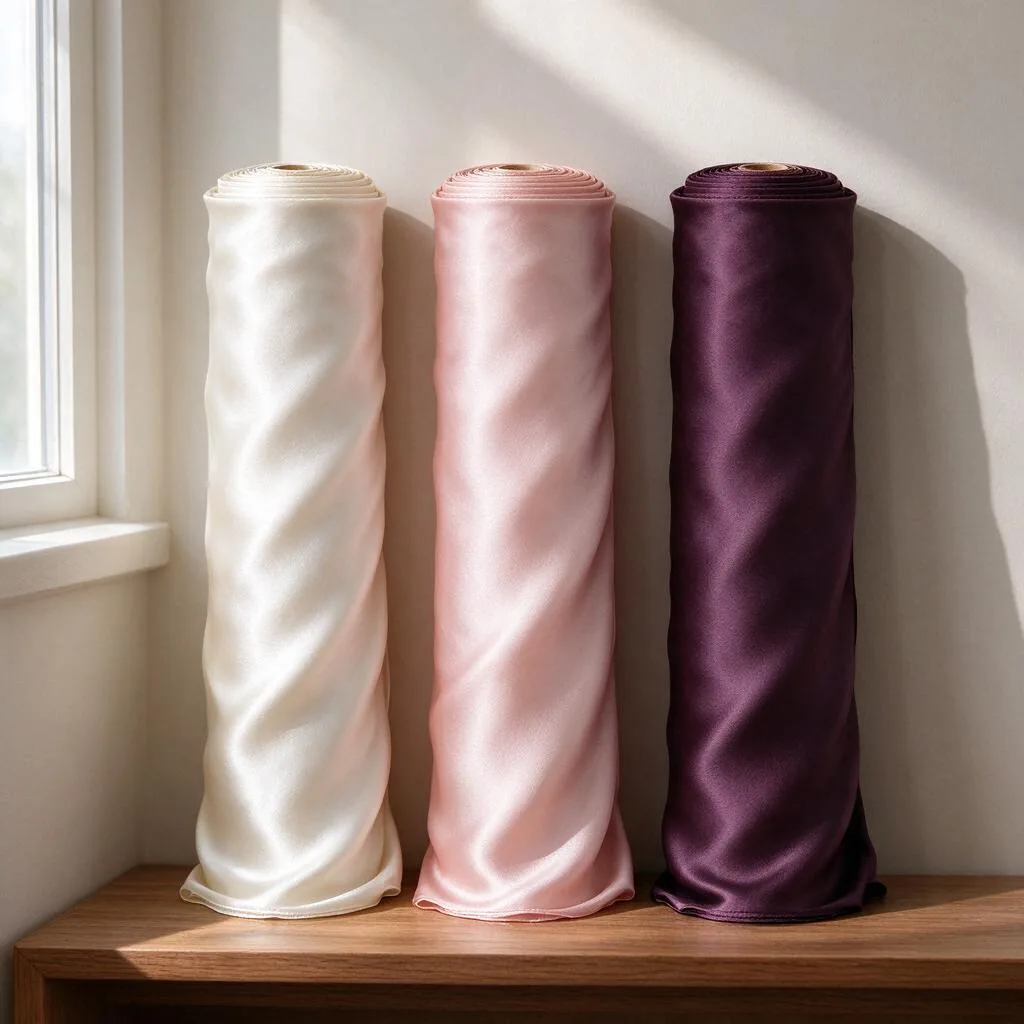
Start with the planned use
A silk fabric choice starts with the planned use, not with the family name. Fabric for scarf lines of the buyer's own, and fabric for other planned uses, point to different groupings of the list, and the questions beside each item follow the grouping. Name the planned use for each group, so the list reads as groups rather than as a single undifferentiated set.
The family name covers a wide span of buyer searches, from yardage wordings to colour wordings. None of those search words settles the choice on its own. The planned use does that work, together with the requirements named in the inquiry.
Fabric requirements in the buyer's own terms
Fabric requirements cover the planned use, the quantities in the buyer's own terms, and anything else to settle in writing. Name them in the inquiry, beside the items they belong to, and ask what applies to each item. This site publishes no yardage claim and no fabric claim beyond the family name, and the inquiry should not assume one.
Quantities for fabric belong in the buyer's own terms, written out in full beside each item. A quantity written in shorthand, with the terms left unstated, leaves the quantity question open for the whole group. Write the terms beside the quantity, so the quantity reads complete on its own.
Grouping by planned use
When a list spans more than one planned use, keep the planned uses in separate groups, with the requirements named for each group. A mixed list with no grouping makes the questions harder to place, and a requirement for one planned use can sit beside an item from another planned use by mistake. Groups first, items inside groups, questions beside the items they belong to.
Inside each planned-use group, split again where colour requirements differ, with the colour requirements named for each sub-group. A colour requirement for one sub-group and a colour requirement for another are different questions, and they belong beside different items.
Colour questions
Colour words appear in buyer searches for silk fabric, and buyers often arrive with a colour in mind. This site publishes no colour claim for any item. Name the colour requirements in the inquiry, beside the items they belong to, and ask what applies to each item. Colour requirements named once for the whole list leave the question open for groups the requirements do not cover.
When the colour choice is still open, name the planned use first and leave the colour question open beside the group it belongs to. The colour question belongs in the inquiry, listed beside the items it belongs to, not assumed from the search words that led to the page.
Quantities and the destination market
Put the quantity beside each item, in the buyer's own terms, and name the destination market for the list as a whole. No page on this site states a minimum order figure, and no page states a lead-time figure. Put quantity and timing questions in the inquiry, beside the items they belong to, and keep them with the list.
When a list spans several destination markets, split the list by market before sending, with the quantities beside each item in each split list. A single list spanning markets with no split leaves the market question open for every item on it.
Questions for the inquiry, grouped
Write the questions as a grouped list inside the inquiry: planned-use questions in one group, fabric requirement questions in another, colour questions in a third, and anything else to settle in writing in a fourth. Each question sits beside the items it belongs to, and each group of questions sits beside the group of items it belongs to.
- The planned use for each group of items
- Fabric requirements, beside the items they belong to
- Quantities in the buyer's own terms, beside each item
- Colour requirements, beside the items they belong to
- The destination market for the list as a whole
The record to keep
Keep the item list as sent beside the record for the inquiry, with the questions attached to the items they belong to. If you receive a confirmation, keep it with the quote, beside the list it belongs to. When the list changes after the inquiry, send the changed list as a whole, with the questions carried beside the items they belong to, so the record stays in one place.
The silk fabric guide page sets out the same questions in guide form for buyers whose choice is still open. The silk fabric family page gives the same inquiry shape for a settled list.
When the planned use is still open
A fabric list whose planned use is still open needs the open question written into the inquiry as an open question, not resolved by assumption. Name the candidate planned uses in the buyer's own words, beside the group they belong to, and ask what applies to each candidate use. A planned use assumed in silence and written as if settled makes the whole list read as if the use were decided, and the questions that belong to the undecided use lose their place.
When the planned use settles after the inquiry, send the settled list as a whole, with the planned use named for each group and the fabric requirements carried beside the items they belong to. A partial change, sent as a fragment, leaves the record split between two messages, and the fabric questions can lose the items they belong to. The whole list, sent again with its questions attached, keeps the record in one place from the first message onward.
A settled planned use also settles the grouping for the next list. Note the grouping that worked, with the planned uses and the sub-groups that served them, and reuse that grouping shape for the next fabric inquiry. A grouping shape that survives one list intact is worth keeping, because the next list starts from a shape that already holds its questions beside its items.
Related pages
Send an inquiry
Send your item list and quantities for a quote. Include fabric requirements beside the items they belong to.