Silk Scarf Care: What to Confirm Before Ordering
Care questions belong in the inquiry, beside the items they belong to. This article sets out the storage and handling questions buyers should settle in writing before ordering silk scarves, and how to keep the record together.
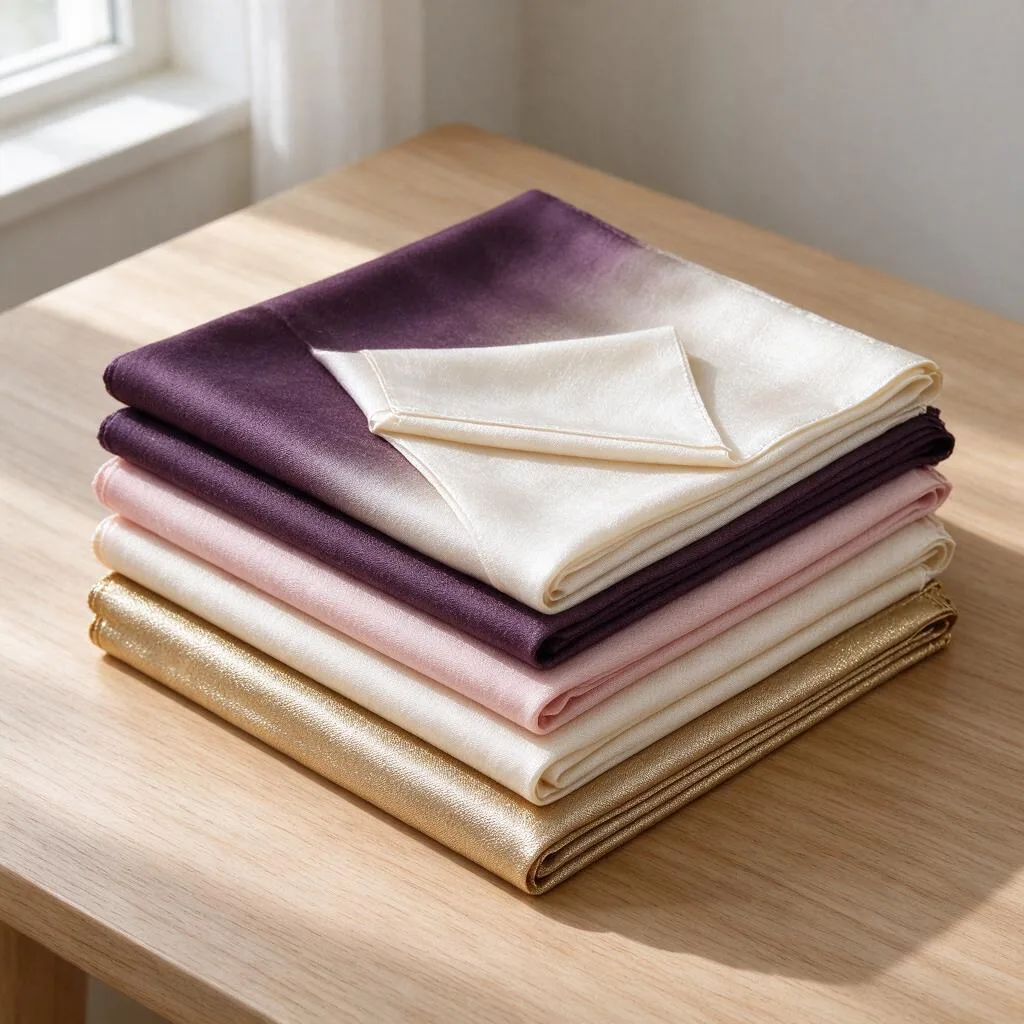
Why care questions come before the order
A silk scarf list is settled twice: once when the items and quantities are written down, and once when the care questions beside each item are settled in writing. Buyers who settle the care questions after the order find the questions harder to place, because the items, the quantities and the care notes no longer sit together in one record. Put the care questions in the same message as the item list, beside the items they belong to.
This article gives no care instruction for any item. It sets out the questions to ask, the settings to name, and the record to keep. The questions below apply to any silk scarf list, whatever its size, and the inquiry carries them in the same shape: items, quantities, destination market, and anything to settle in writing.
Name the storage setting
Storage starts with the setting where the scarves will be kept: the room, the shelving or drawers in use, and the way items are grouped on them. Name the storage setting in the inquiry, in the buyer's own words, beside the items it belongs to. A storage question written in general terms, with no setting named, leaves the question open for every item on the list.
Grouping matters in storage as it does in the list itself. Items kept folded sit in one group, items kept hanging sit in another, and items kept for display sit in a third. Name the grouping in the inquiry, and ask what applies to each group. Keep the storage groups aligned with the list groups, so a storage question for one group never sits beside an item from another group by mistake.
Handling questions to include
Handling questions cover the way items will be handled day to day: how they are taken out, folded, and put back, and who handles them. Name the handling pattern in the inquiry, beside the items it belongs to, and ask what applies to each item. A handling question that names no pattern leaves the question open, because the pattern is the part that decides which handling note applies.
Buyers with more than one handling pattern should split the list by pattern before sending, with the handling questions beside the group they belong to. A single list spanning patterns with no split leaves the handling question open for every item on it. The split costs a few lines in the inquiry and saves the questions from losing their items.
Keeping items separate
Scarves kept beside other goods pick up the questions of their neighbours: colour questions from one neighbour, shape questions from another. Name the neighbours in the inquiry when the storage setting holds mixed goods, and ask what applies to the scarf group on its own. Separation in storage mirrors separation in the list: groups first, items inside groups, questions beside the items they belong to.
Labels help when a storage setting holds several groups. Name the labelling pattern in the inquiry, beside the groups it belongs to, and keep the labels aligned with the list groups. A label that names a group the list does not use creates a second grouping that the record has to reconcile.
Questions for the inquiry, grouped
Write the care questions as a grouped list inside the inquiry: storage questions in one group, handling questions in another, and anything else to settle in writing in a third. Each question sits beside the items it belongs to, and each group of questions sits beside the group of items it belongs to. The grouped shape keeps the record readable when the list is long.
- The storage setting, in the buyer's own words, beside the items it belongs to
- The storage grouping: folded, hanging, or display, beside the group it belongs to
- The handling pattern, beside the items it belongs to
- The labelling pattern, beside the groups it belongs to
- Anything else to settle in writing, beside the items it belongs to
The record to keep
Keep the item list as sent beside the record for the inquiry, with the care questions attached to the items they belong to. If you receive a confirmation, keep it with the quote, beside the list it belongs to. A record that holds the list, the quantities, the care questions and the confirmation together is the record to use when the items arrive and the storage setting is put to use.
When the list changes after the inquiry, send the changed list as a whole, with the care questions carried beside the items they belong to. A partial change, sent as a fragment, leaves the record split between two messages, and the care questions can lose the items they belong to. The whole list, sent again with its questions attached, keeps the record in one place.
A short checklist for the message
Before sending, read the message once as a stranger would: does every item carry its quantity, does every group carry its setting and occasion, does every care question sit beside the items it belongs to, and does the destination market sit with the list as a whole. A message that passes that reading carries everything the inquiry needs in one place, and the questions stay with their items from the first message onward.
Buyers who are still sorting the choice should read the silk scarf family page before writing the inquiry. Buyers with a settled list should write the list out in full, with the care questions beside the items they belong to, and send it through the contact page.
When the list spans more than one family
A care list that spans more than one family needs the care questions split by family before sending, because the storage and handling questions for silk scarves differ in wording from the questions for shawls, wraps or pillowcases, even when the storage setting is the same. Write the silk scarf group first, with its care questions beside its items, then each further family group with its own care questions beside its own items. A single set of care questions written once for the whole list leaves the family question open, because the reader cannot tell which questions belong to which family.
The same split applies inside the silk scarf family when the list spans shapes. Square shapes, long shapes and narrow shapes sit in their own groups, with the handling questions beside the group they belong to. Folding questions belong to the folded group, hanging questions belong to the hanging group, and display questions belong to the display group. Read the finished message once for family boundaries and once for storage groupings, and the care questions will sit beside the items they belong to in both readings.
Related pages
Send an inquiry
Send your item list and quantities for a quote. Include storage and handling questions beside the items they belong to.